


310 FM 407 East Suite 200
Argyle, TX 76226

How Optos Retinal Imaging Helps Detect Eye Disease Earlier
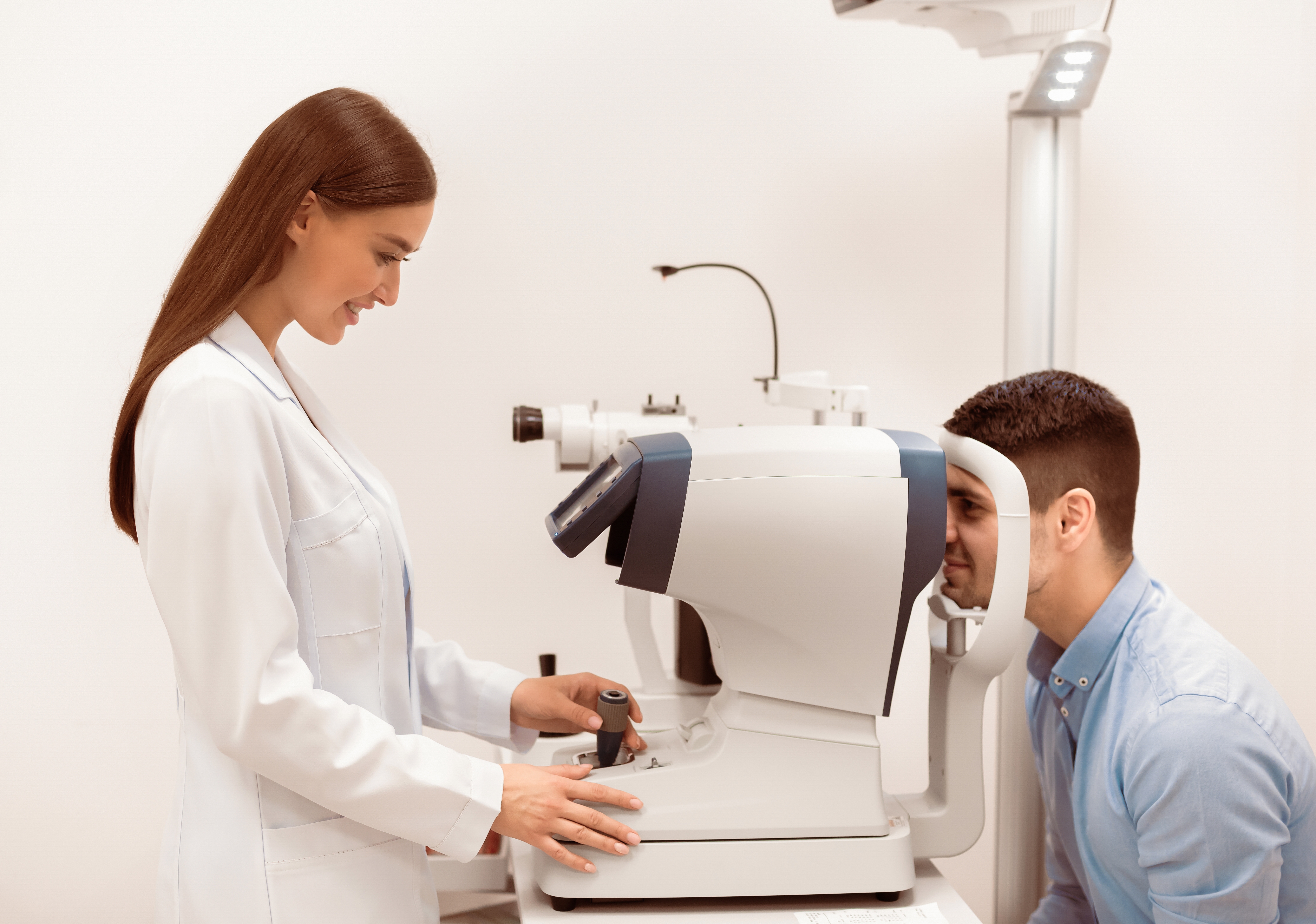
Many eye diseases can begin developing before you notice obvious changes in your vision. That is why looking beyond visual acuity is an important part of protecting long-term eye health. At Argyle Eye Care, we use advanced technology such as Optos retinal imaging to obtain a detailed view of the retina and identify changes that may require closer evaluation or monitoring.
What Is Optos Retinal Imaging?
Optos is an ultra-widefield retinal imaging technology that captures a high-resolution digital image of the back of the eye. The retina is the light-sensitive tissue responsible for sending visual information to the brain, and changes within it can provide valuable information about eye health.
Optos technology can capture up to 200 degrees, or approximately 82% of the retina, in a single image. This broader view allows us to examine both the central retina and areas farther toward the retinal periphery that may be more difficult to document with narrower imaging methods.
How Optos Can Support Earlier Detection
Some retinal conditions may progress quietly in their early stages. Ultra-widefield imaging gives us another tool for identifying abnormalities that may not be causing symptoms yet.
Optos retinal imaging can help us evaluate or monitor signs associated with conditions such as:
- Diabetic retinopathy and other retinal blood vessel changes
- Age-related macular degeneration
- Retinal tears, holes, or other peripheral retinal abnormalities
- Changes that may warrant additional glaucoma evaluation
- Inflammation or other unusual changes within the retina
Because Optos captures a wide area of the retina, it can reveal peripheral findings that may not appear in a more limited retinal photograph. Research and clinical use of ultra-widefield imaging have shown its value in supporting the detection, documentation, and management of retinal disease.
Creating a Baseline for Future Eye Exams
One of the major advantages of digital retinal imaging is the ability to save images for future comparison. Your first Optos image can serve as a baseline, allowing us to compare the appearance of your retina from one eye exam to the next.
Even subtle changes can become more noticeable when current images are viewed alongside previous ones. This is especially valuable for patients with diabetes, a history of retinal problems, or other risk factors that may require ongoing monitoring.
At Argyle Eye Care, we can also show you your Optos images so you can see the structures we are evaluating and better understand your eye health.
Retinal Imaging Is Part of Comprehensive Eye Care
Optos retinal imaging provides valuable information, but it works alongside the other parts of a comprehensive eye examination rather than replacing them. Your optometrist considers your retinal images together with your vision, eye pressure, medical history, symptoms, and other examination findings.
Using advanced retinal imaging allows us to take a closer look at your eye health and determine whether additional testing, monitoring, or treatment may be appropriate.
Schedule a comprehensive eye exam with Argyle Eye Care in Argyle, TX, at (940) 828-1010 to learn how Optos retinal imaging can help us take a closer look at your retinal health.Powered by
