


310 FM 407 East Suite 200
Argyle, TX 76226

How Pediatric Eye Exams Support Learning and Academic Success
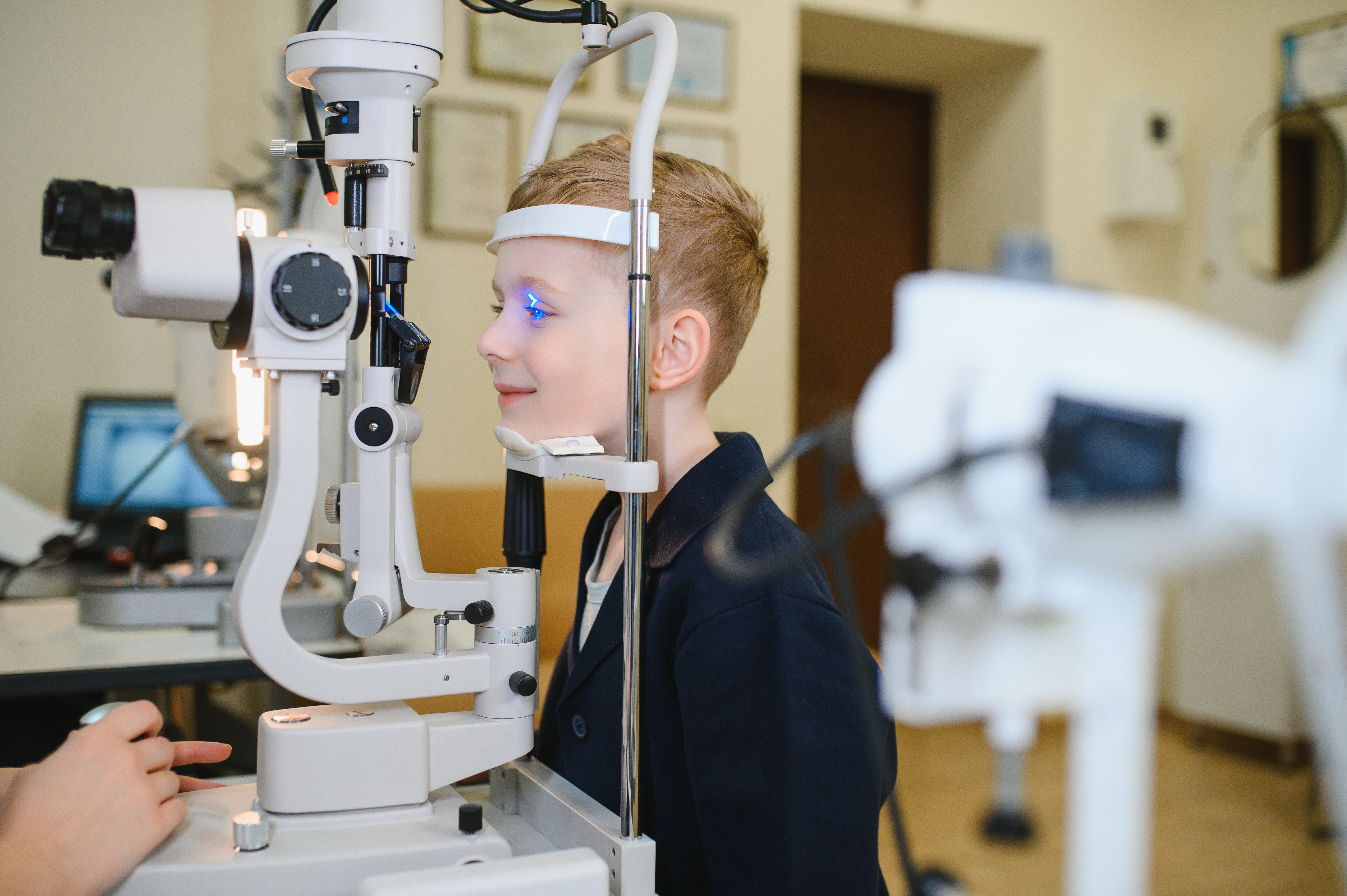
Learning is highly visual. From reading and writing to copying notes and using tablets, kids rely on clear, comfortable vision for hours each school day. When a child struggles to see or coordinate their eyes efficiently, it can show up as slower reading, reduced comprehension, and fatigue that looks like inattention.
Pediatric eye exams help identify vision issues that may be holding a student back, even when they can still “see the board” or pass a basic school screening.
Why School Screenings Miss Common Learning-Related Vision Problems
School vision checks typically focus on distance clarity. A child can have 20/20 vision and still struggle with near tasks like reading, focusing on worksheets, or shifting from the board to a notebook. Comprehensive pediatric eye exams evaluate more than sharpness - they assess how well the eyes work together and support sustained learning.
This matters because reading requires accurate focusing, smooth tracking across a line of text, and coordinated eye teaming. When any of these skills are off, kids may avoid reading, lose their place, or complain that words blur after a short time.
Skills a Pediatric Eye Exam Can Evaluate
Pediatric eye exams include testing that supports both vision and learning readiness. Depending on your child’s needs, an exam may evaluate:
- Distance and near visual acuity
- Eye alignment and eye teaming
- Focusing ability and flexibility (near work endurance)
- Eye tracking skills used for reading
- Depth perception and visual comfort
These measurements help identify issues that can interfere with schoolwork, including uncorrected refractive errors, binocular vision problems, or focusing strain.
Signs Your Child May Need a Pediatric Eye Exam
Some children do not realize their vision is abnormal because they assume everyone sees the same way. Watch for these common signs at home or school:
- Squinting, closing one eye, or frequent eye rubbing
- Headaches after reading or screen time
- Losing place while reading or using a finger to track
- Avoiding reading or taking longer than expected to finish assignments
- Complaints of blurred vision, double vision, or tired eyes
- Sitting very close to screens or holding books too close
Schedule an Eye Exam at Argyle Eye Care Around Age 6 for a Strong Start in School
Around age 6, many kids begin heavier reading demands and longer periods of close work. That is also when subtle focusing or eye teaming issues may become more noticeable. At Argyle Eye Care, we see patients as young as 6 years old, making it easier to evaluate visual skills right when academic expectations start to increase.
If your child is entering first grade or struggling with early reading, a comprehensive pediatric eye exam can provide useful answers and guide the next steps.
Call Argyle Eye Care in Argyle, TX at (940) 828-1010 to schedule a pediatric eye exam that supports your child’s learning and academic success.
Powered by
